Explore the Michelle Ostrove Blog

Being a singer is more than just producing the right notes. The most memorable performance by an artist happens when they are able to communicate their feeling to the audience through their voice. Whether the Song expresses happiness, sadness, love, excitement, or hope, singing with emotion helps listeners connect with the music on a deeper level. What Does It Mean to Sing With Emotion Singing with emotion means allowing the meaning and feeling of a song to influence the way…

Rhythm is definitely one of the most important parts of a song. It creates movement, structure, and yes, energy in a song. It doesn’t matter if you are a beginner or an polished professional musician or singer, everyone should experiment with new ideas. Creating a rhythmic pattern for a song should be fun! Rhythmic Patterns The rhythmic pattern in a song is a repeated sequence of sounds. The pattern can be a steady beat or complex string of notes. For…
Have you ever thought about writing a song, but didn’t know where you should begin? The good news is that you don’t need to be a professional songwriter to start. You don’t need a masterful singing voice, expert music studio, or years of experience. All you need is an idea, creativity, and determination to experiment. The more you practice, the easier it will become to write a song. Start with an Idea All songs start with an idea. Don’t worry…

Sometimes a song needs short, crisp, energized sounds that add emphasis, rhythm, and personality to a singers’ performance. This is what staccato can do for a song. It is the opposite of legato, which is a smooth and connected way to sing notes. Staccato means performing notes in a short, quick and separated way instead of connecting them together. Singing with staccato will improve vocal control, articulation, and breath control. Staccato When Singing The word staccato comes from the Italian…
When you hear Adele sing, you feel the emotion behind every word. Her voice may sound joyful, vulnerable, in love, sadness or confidence in every note. What makes her performances captivating is expression. Learning the basics of singing with expression means more than just singing the correct notes. It’s about communicating the meaning of the song with emotion, so the audience feels the connection. This is a skill that anyone can develop. Connect the Lyrics to the Song’s Emotions Every…

Sometimes hitting a high note will feel like the most difficult thing to do. When you hear Mariah Carey hit those high notes effortlessly, it’s tempting to assume she was born with a special vocal ability. The truth is, it’s a skill that is developed. With excellent technique, regular practice, and patience, anyone can expand their vocal range without force or yelling. Never Push or Force Your Voice Higher The most common mistake a singer will make is trying to…
When you sing, your vocal folds create the initial sound but that sound is only the beginning. Before your voice reaches the listener, it travels through a remarkable acoustic pathway made up of your throat, mouth, tongue, lips, jaw, and other structures. Together, these structures form the vocal tract, which acts as your natural sound shaper. Your Vocal Folds Create the Sound The vocal folds are the starting point of your singing voice. When air from the lungs passes through…

When we listen to amazing singers, we often describe the singer’s voice as strong, warm, bright, full, powerful, or vibrant. The qualities in a singer’s voice are not created by singing louder. They are strongly influenced by something called vocal resonance. Resonance is an important part of singing technique because it helps change the sound created by the vocal folds into the sound we hear as a finished voice. What Is Vocal Resonance? In simple terms, resonance is the way…
When you sing, vowel sounds carry the sound much longer and are at the heart of singing. As the pitch rises, or gets louder, the way a singer forms a vowel will affect the ease, sound, and stability of a singer’s voice. That is why vowel modification is an important vocal technique for every singer. It does not mean changing the words or making them sound unclear. It means constructing small adjustments to the vowel sound. This will help the…
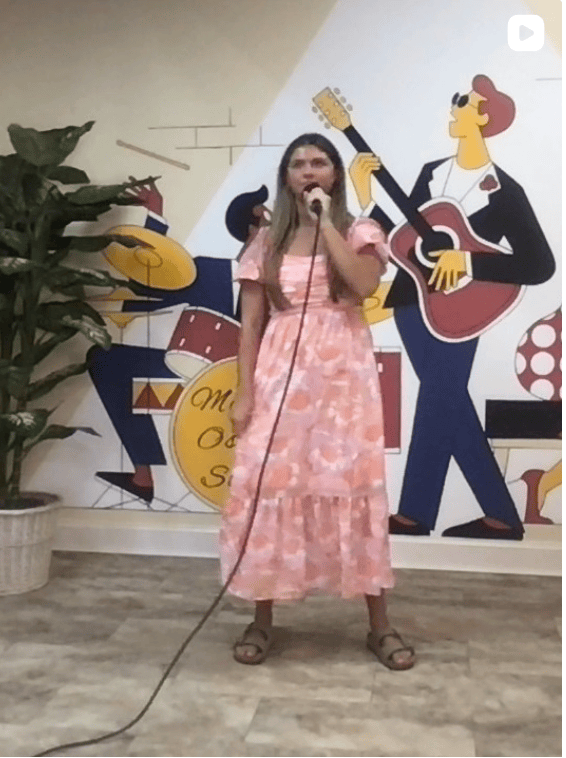
Holding notes isn’t a competition of vocal endurance. It should be expressive moments in a piece of music. Singers have used long sustained notes to create calm. A held note simply means singing one note and holding it for a period of time, but sustaining a note is much more than that. The musical purpose is to create emotion, construct anticipation, create emphasis where needed, join musical phrases, or create a moment to breathe. It actually becomes part of the…