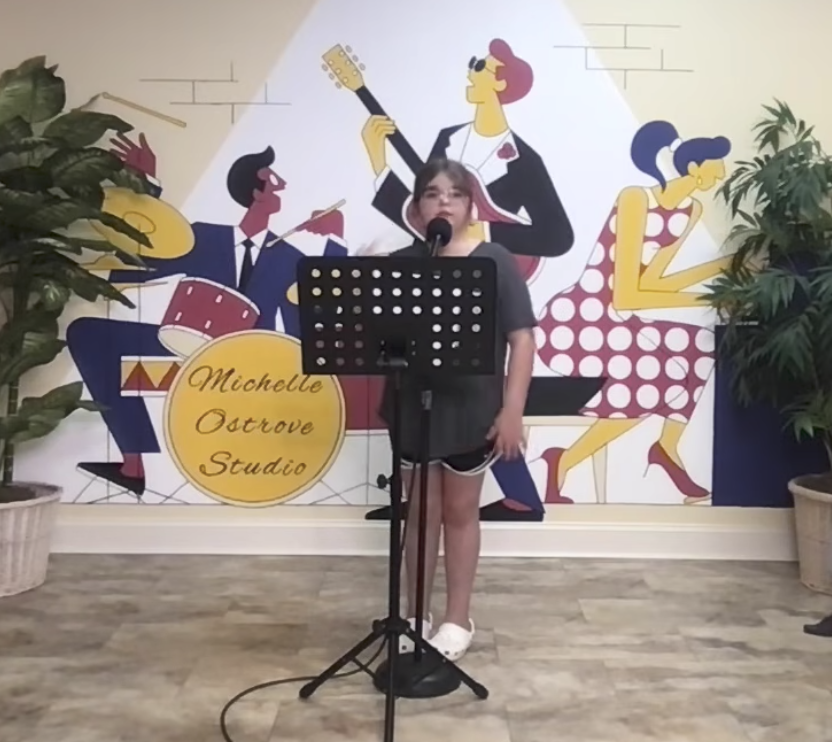
PERFECTING YOUR PERFORMANCE (PART 2)
The good news is the performance skills can be developed with practice and experience. Perfecting your performance does not mean becoming flawless, it means learning how to communicate confidently and authentically every time you sing.
Use Body Language Naturally
Your body communicates just as much as your voice. You do not need exaggerated movements to be engaging. Small, natural gestures often feel more authentic than forced choreography. The goal is to support the emotion of the song, not distract from it.
Strong performers use:
- Facial expressions
- Posture
- Hand gestures
- Eye contact
- Movement
Learn to Handle Nerves
Performance anxiety is extremely common, even among experienced singers. Nervousness does not mean you are unprepared or untalented. It simply means you care about what you are doing. Confidence grows through repetition and experience.
Helpful ways to manage nerves include:
- Deep breathing
- Proper warmups
- Positive mental focus
- Preparation
- Visualization
- Regular performance experience
Don’t Obsess Over Perfection
Many singers become so focused on avoiding mistakes that they lose emotional connection and spontaneity. Small imperfections rarely ruin a performance. In fact, authenticity often matters more than technical perfection. A performance that feels genuine is often more memorable than one that feels overly controlled.
Audiences are usually drawn to:
- Emotion
- Energy
- Confidence
- Presence
- Connection
Record Yourself
Recording performances can help identify strengths and areas for improvement. Watching yourself perform may feel uncomfortable at first, but it can be one of the fastest ways to grow.
Pay attention to:
- Vocal consistency
- Posture
- Facial expression
- Stage presence
- Breath control
- Emotional delivery
Final Thoughts Perfecting your performance is about combining vocal skills with emotional connection, preparation, and confidence. The more you perform, learn, and grow, the stronger and more natural your performance will be.