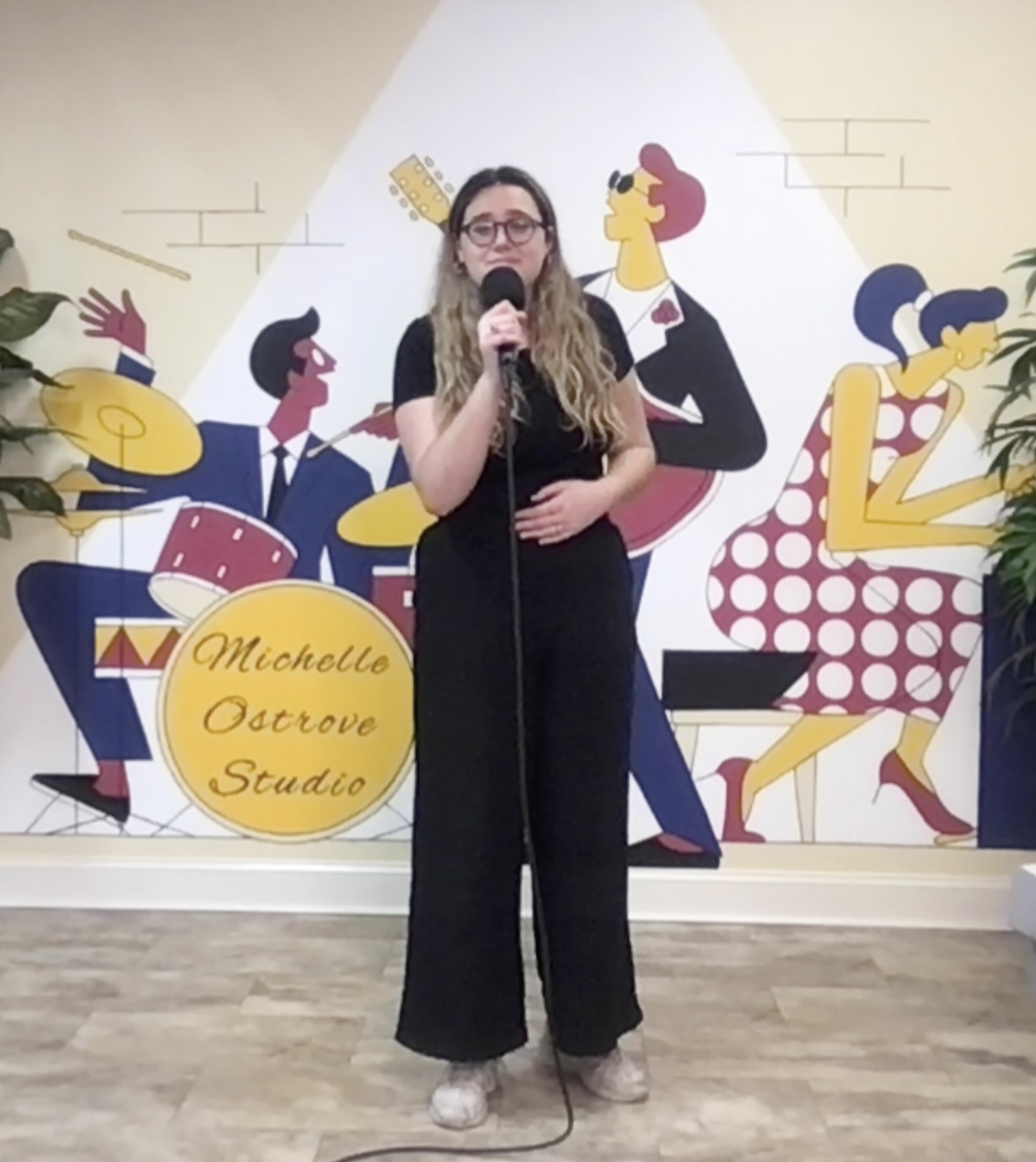
SINGERS NEED VERSATILITY
The artists who stand out in studios, on stage, and online, often share one powerful trait: versatility! In today’s music world, being “just one type” of singer isn’t always enough. Versatility doesn’t mean losing your identity. It means expanding your skill set so your voice can adapt, express, and thrive in different musical situations. Let’s explore what versatility really means and how to develop it.
What Is Vocal Versatility?
Vocal versatility is the ability to sing in multiple styles. Possessing the ability to adjust tone and texture intentionally. Being able to smoothly transition between vocal registers and adapting to different musical settings with the capability to express varied emotions authentically. A versatile singer can perform a soft acoustic ballad one night and a powerful anthem the next without strain or losing control.
Why Versatility Is So Powerful
- It expands your opportunities. Whether you’re auditioning for musical theatre, recording in a studio, leading worship, performing at weddings, or releasing your own music, flexibility makes you valuable. Casting directors, producers, and bandleaders love singers who can adapt quickly.
- It protects your voice. When you train multiple techniques properly, you learn how to shift between chest, mix, and head voice. You also learn how to adjust breath support for different dynamics. This reduces the habit of forcing one sound for every song.
- It strengthens your musical identity. Ironically, learning different styles doesn’t erase your uniqueness, it sharpens it. When you understand pop phrasing, R&B runs, rock edge, and classical resonance, you gain more tools to shape your sound intentionally.
Areas of Vocal Versatility
Here’s what true versatility often includes:
- Stylistic versatility means being comfortable in pop, R&B, rock, jazz, musical theatre, gospel, and indie. You don’t have to master everything but exposure builds flexibility.
- Dynamic versatility means you can sing softly without going flat, belting without shouting, and control volume intentionally. Dynamic control separates trained singers from casual ones.
- Technical versatility includes smooth register transitions, clean runs and riffs, controlled vibrato, straight tone when needed (no vibrato), and tone color variation. A singer who can shift vocal textures on purpose is far more expressive.
- Emotional versatility which means you have the ability to convincingly sing with joy, heartbreak, anger, vulnerability, and power. Your singing must reflect the story, not just the notes.
Final Thoughts
Versatility is freedom, you have the freedom to adapt, explore, perform confidently in different spaces, and sustain a long, healthy singing career. The most compelling singers aren’t limited by one sound.