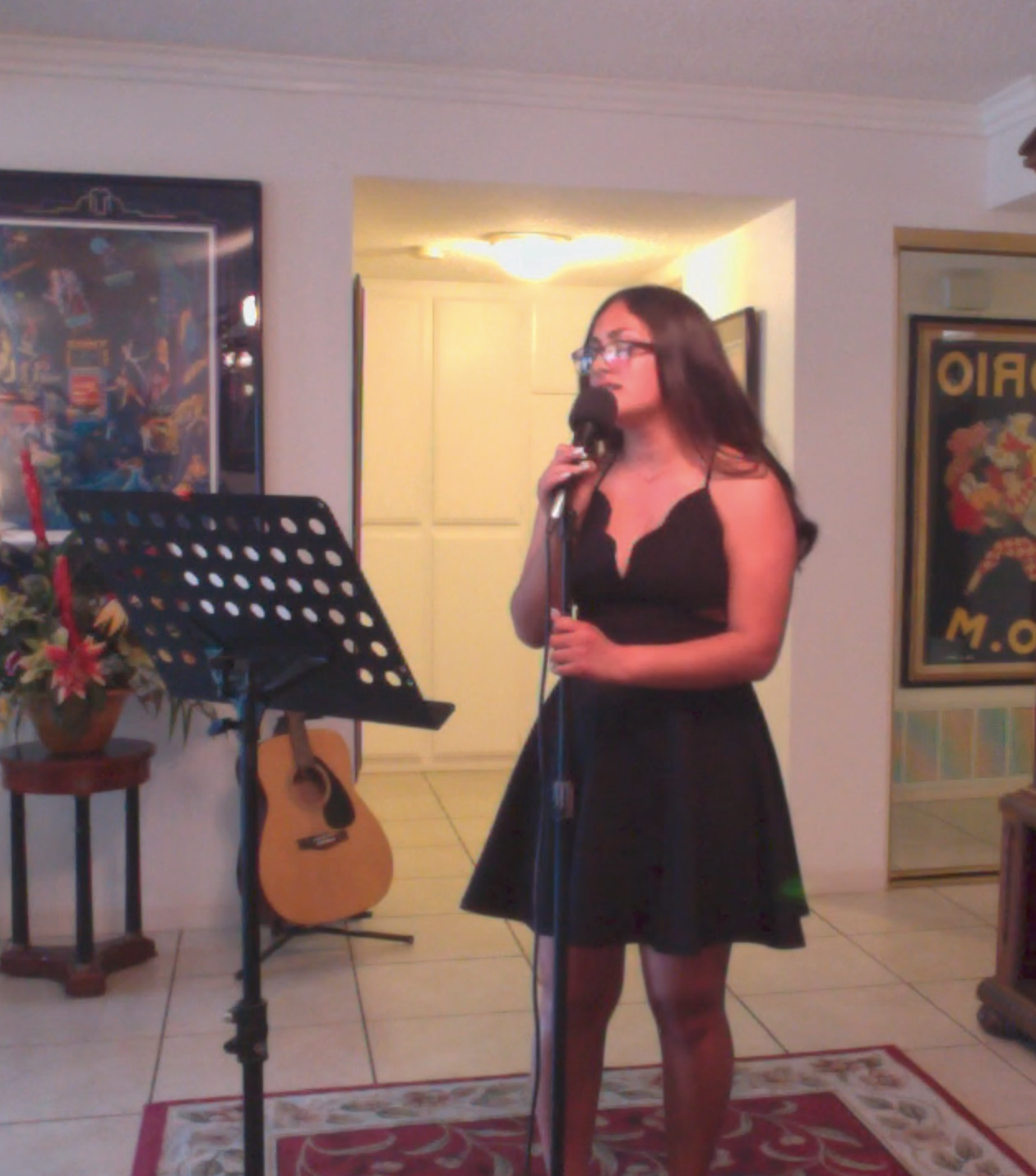
SINGING STYLE TECHNIQUES
Different singing style techniques will shape your singing voice. Singing isn’t just about hitting the right notes, it’s about how you deliver them. Your tone, phrasing, breath control, and stylistic choices create your unique sound. It’s important to understand different singing style techniques and learning them will help you grow faster vocally. Let’s explore the most influential vocal styles and what makes them unique.
Classical (Bel Canto Technique)
In classical training the focus is on power, resonance and vocal purity. The classical singer, often associated with opera, is built on the Italian bel canto tradition, meaning “beautiful singing.” This style trains the singer about discipline and vocal stamina. Many pop singers study classical foundations to strengthen their instrument.
Key Techniques:
- Deep diaphragmatic breath support
- Tall, open vowels
- Consistent vibrato
- Strong projection without microphones
- Lifted soft palate for resonance
Pop Singing
Pop singing focuses on clarity, emotion, and conversational tone. Pop singing is more of a speech-based style unlike classical. It prioritizes storytelling and connection over vocal size. Pop singers often use stylistic flip, subtle breaks, and dynamic shifts for emotional effects.
Key Techniques:
- Mixed voice for high notes
- Controlled breathy tone
- Straight tone (less vibrato)
- Vocal riffs and runs
- Microphone technique
Jazz Singing
Jazz singers focuses on freedom, phrasing and improvisation. Jazz vocals are rhythmically flexible and harmonically adventurous. A jazz singer often bends pitch slightly for expression, something less common in classical technique.
Key Techniques:
- Syncopated phrasing
- Scat singing (improvised syllables)
- Tone color variation
- Subtle dynamics
- Swing feel
Rock & Belting
Rock singers use power and emotional intensity. This type of singing often uses stronger chest voice dominance and sometimes controlled grit. Healthy rock technique still requires strong breath support when singing. Shouting is not the same as belting.
Key Techniques:
- Belting (strong chest-dominate high notes)
- Vocal distortion (safely produced)
- High energy breath control
- Emotional drive
R&B (Soul)
R&B singing relies on vocal agility and emotional depth. R&B and soul emphasize melisma (multiple notes on one syllable) and expressive tone shifts. This style demands flexibility and precision, especially when executing fast, clean runs or riffs.
Key Techniques:
- Smooth vocal runs
- Dynamic control
- Controlled vibrato
- Emotional phrasing
- Use of falsetto
Musical Theatre
In Musical Theatre, the singers relies on storytelling and projection. Musical Theatre blends classical and contemporary technique depending on the show. Unlike pop, theatre often requires projection clearly to the back of the room (sometimes without heavy mix reliance).
Key Techniques:
- Clear diction
- Strong breath control
- Emotional acting through song
- Belt-mix coordination
- Character based tone changes
Final Thoughts
Different singing style techniques aren’t about “better” or “worse.” They’re about tools. The more technique you understand, the more expressive and versatile your voice becomes. Your voice is an instrument, and style is how you play it. You want as many tools in your vocal tool box to express a song the way you feel it.